

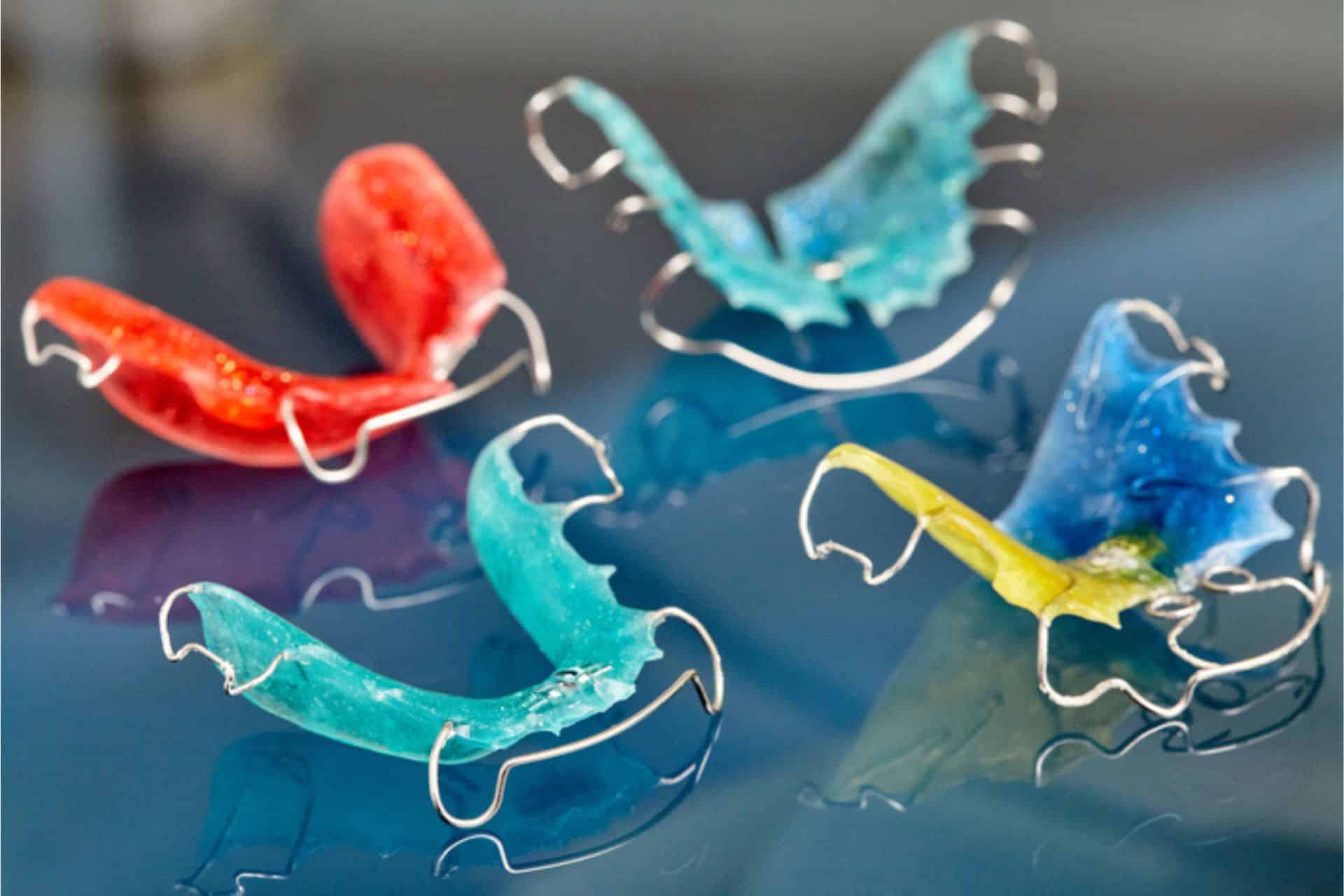
At Waddoups Orthodontics, Dr. Samuel Waddoups, who has been practicing orthodontics since 2010, and his team often see patients in the Corona, CA area who are surprised by how quickly teeth start moving after orthodontic treatment when retainers are not worn consistently.
Why Teeth Shift After Braces or Aligners?
After braces or Invisalign clear aligners, your teeth are not permanently fixed in place. They are supported by bone and soft tissue that need time and continued support to stabilize.
Even after this period, teeth can still move due to:
- Natural aging
- Daily activities like chewing and speaking
- A tendency to return toward their original position, often called retainer relapse
Orthodontists often recommend long-term retainer use because teeth naturally shift due to aging and daily pressure. With more than a decade of clinical experience, Dr. Waddoups regularly helps patients manage and prevent retainer relapse through consistent post-treatment care. For additional guidance, you can review this overview of retainers and long-term care from the American Association of Orthodontists.
How Fast Do Teeth Move Without a Retainer?
Teeth moving after orthodontic treatment can happen faster than most patients expect.
- Within weeks, minor shifting may begin
- Within months, visible crowding or spacing can develop
- Over time, changes can become more severe and harder to correct
Patients who have a retainer not worn after braces often notice early changes in the front teeth, especially during the first few months after treatment.
Signs Your Teeth Are Shifting
If you have not been wearing your retainer regularly, watch for these signs:
- Your retainer feels tighter than before
- Slight crowding in the front teeth
- Small gaps reopening
- Changes in how your bite feels
These symptoms are common in cases of teeth shifting after braces. Some patients only notice differences when comparing older photos. Regular orthodontic visits can help identify these changes early.
What Happens If You Stop Wearing Your Retainer Long-Term?
If you go months or years without wearing your retainer, the effects of retainer relapse can become more noticeable.
Common long-term effects include:
- Crowding, especially in the lower front teeth
- Reopening of gaps after orthodontic treatment
- Bite misalignment that affects function
These issues can also make teeth harder to clean, increasing the risk of cavities and gum disease. In many cases, additional orthodontic treatment may be needed to restore alignment.
Can Teeth Be Fixed After They Shift?
Yes, teeth can usually be corrected even after movement has occurred. The right solution depends on the severity of the shifting.
Treatment options may include:
- Wearing a retainer again if it still fits
- Getting a replacement retainer
- Clear aligners for mild to moderate relapse
- Braces for more advanced cases
Because every case is different, an experienced orthodontist can recommend the most effective solution based on how much movement has occurred.
What Should You Do If You Stopped Wearing Your Retainer?
If you have stopped wearing your retainer, it is important to act quickly.
Start by trying it on gently:
- If it feels slightly snug but not painful, you may be able to resume use
- If it does not fit or causes discomfort, do not force it
If your retainer no longer fits, the next step is to schedule a consultation at our Corona office. A professional evaluation will determine whether you need a replacement retainer or additional treatment.
How to Keep Teeth Straight After Braces?
The best way to prevent retainer relapse is consistency.
To keep your teeth straight after braces:
- Wear your retainer as instructed, often nightly
- Attend regular orthodontic checkups
- Replace retainers when needed
Even years after treatment, retainers remain essential for maintaining your results. Dr. Waddoups and his team provide ongoing care for patients of all ages, helping ensure long-term stability after orthodontic treatment.
Ready to Protect Your Smile in Corona, CA?
At Waddoups Orthodontics, we help both new and existing patients in Corona maintain healthy, aligned smiles and address teeth shifting after braces with personalized care.
Whether you need a replacement retainer, are noticing changes in your teeth, or are exploring orthodontic treatment for the first time, our team is here to guide you every step of the way.
Schedule a consultation today to get expert recommendations and take the next step toward protecting your smile long-term.