

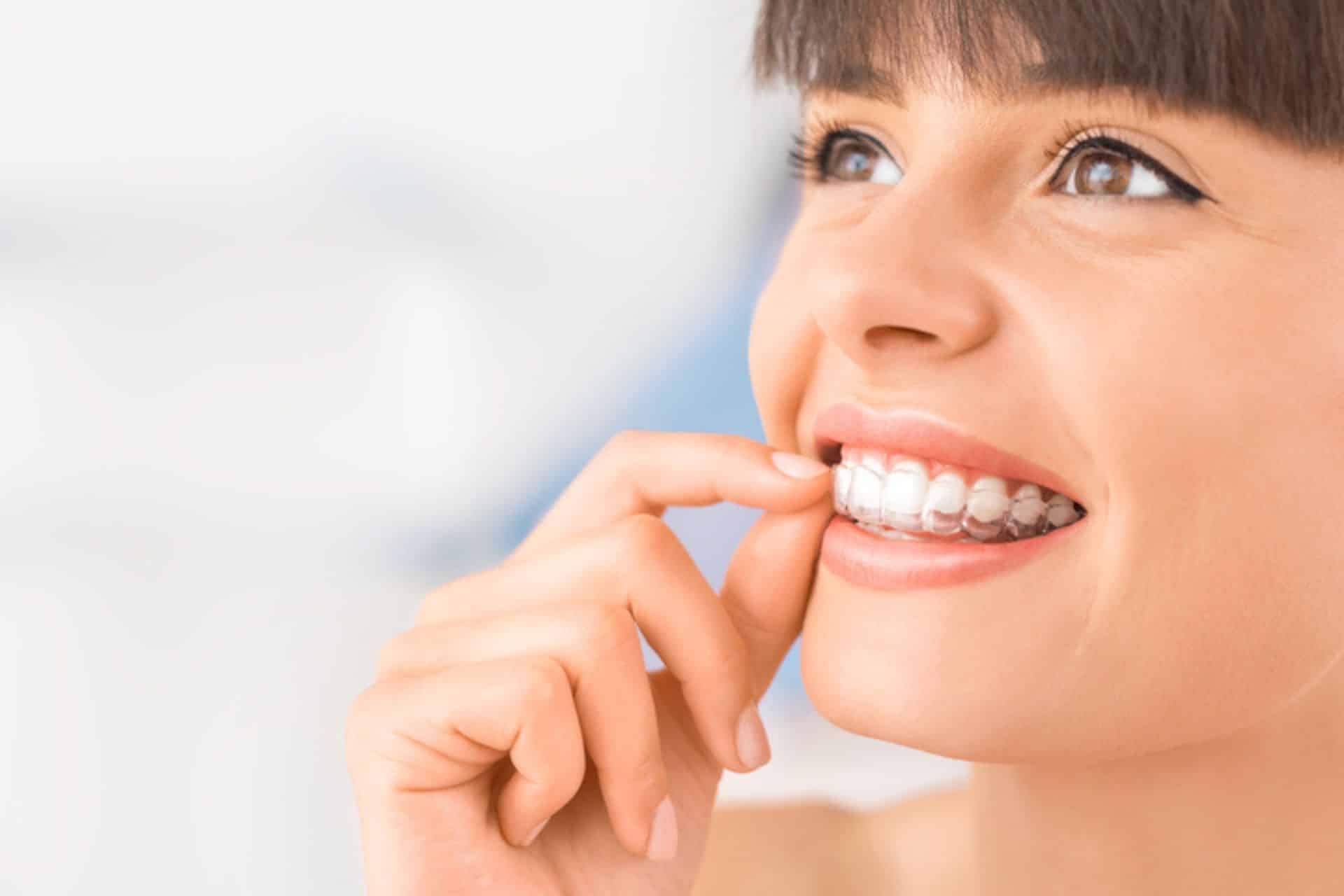
Still, Invisalign is not completely effortless. Dr. Samuel Waddoups explains that Invisalign works best when you understand what the process actually requires and what daily wear really looks like. This article walks through the top ten things people often wish they understood before starting Invisalign, so you can avoid common mistakes and feel confident from day one.
How can I prepare for Invisalign treatment?
Before starting Invisalign, you should know that success depends on consistency. Invisalign aligners must be worn most of the day, every day, and your habits play a major role in how fast and how well your teeth move.
When you know what to expect, Invisalign can be one of the most comfortable and convenient ways to straighten your smile.
What are the 10 things I wish I knew before starting Invisalign?
Below are the top 10 Invisalign lessons patients commonly share after treatment begins. These tips are based on real patient experiences and what we regularly see in orthodontic care at our Corona office.
1. Invisalign only works if you wear it enough hours
Invisalign is effective, but it requires commitment. Aligners should be worn 20 to 22 hours per day. If you regularly forget them or leave them out too long, teeth may not track properly and treatment can take longer.
2. The first week is the hardest
Most patients say the adjustment period is the toughest part. Your mouth is adapting to the trays, you are learning new habits, and you may feel mild soreness. After the first week, it usually feels much easier.
3. You will feel pressure when switching trays
Each new tray applies pressure to move teeth slightly. That pressure can feel tight or sore for a day or two. It is normal and expected.
4. Snacking becomes less convenient
Because aligners must come out to eat, frequent snacking becomes a hassle. Many patients end up eating fewer snacks simply because it takes effort to remove trays, eat, clean teeth, and put them back in.
5. Coffee and soda require planning
Only water is safe to drink with aligners in. Coffee, tea, soda, and sports drinks can stain trays or increase cavity risk. If you drink these often, you will need to plan wear time carefully.
6. Attachments are common and helpful
Attachments are small, tooth-colored shapes bonded to certain teeth. They help aligners grip better so teeth move more precisely. Many Invisalign plans require them, especially for rotations or more complex movements.
7. You have to brush more than you think
Because aligners trap what is on your teeth, oral hygiene matters more than ever. Most Invisalign patients brush after every meal to keep aligners clean and reduce cavity risk.
8. Losing an aligner can throw you off
It is easy to misplace trays if they are wrapped in napkins or set on a table. Losing aligners can delay progress. Always use your case.
9. Invisalign can treat bite issues too
Many people assume Invisalign only straightens teeth. In reality, it can also improve certain bite problems like overbites, crossbites, and crowding, depending on the case.
10. Retainers are not optional after Invisalign
After Invisalign, you must wear retainers to keep your results stable. Teeth naturally want to shift back. Retainers protect the investment you made in your smile.
How do I choose between Invisalign and other teeth straightening options?
If you’re leaning toward Invisalign but still wondering whether it’s the best fit, that’s completely normal. Invisalign is a great option for many teens and adults, but some smiles need a different approach depending on crowding, bite alignment, or how much tooth rotation is involved.
Dr. Waddoups often reminds patients that the “best” option is the one that matches your specific needs and lifestyle. If you want a broader breakdown of what’s available today, we recommend reading our guide on teeth straightening options from Dr. Waddoups, where he explains Invisalign, traditional braces, and ceramic braces in a simple, realistic way.
Invisalign vs Braces Comparison Table
Feature | Invisalign | Braces |
Appearance | Clear trays | Metal or ceramic brackets |
Removable | Yes | No |
Food restrictions | Minimal | More restrictions |
Cleaning | Easier to floss | Harder to floss |
Success depends on | Wear time | Less compliance needed |
For many teens and adults, Invisalign is a great choice. But the right option depends on your bite, tooth movement needs, and lifestyle. That’s why seeing an orthodontist matters.
Ready to start Invisalign with confidence?
Invisalign can be an excellent way to straighten your teeth with less visibility and more flexibility than braces. The key is knowing what to expect and following the plan closely.
If you are looking for Invisalign in Corona, CA, Dr. Samuel Waddoups and the team at Waddoups Orthodontics can help you decide if Invisalign is right for your smile and create a plan that fits your goals.
Contact our office today to schedule a consultation and get started with confidence.