

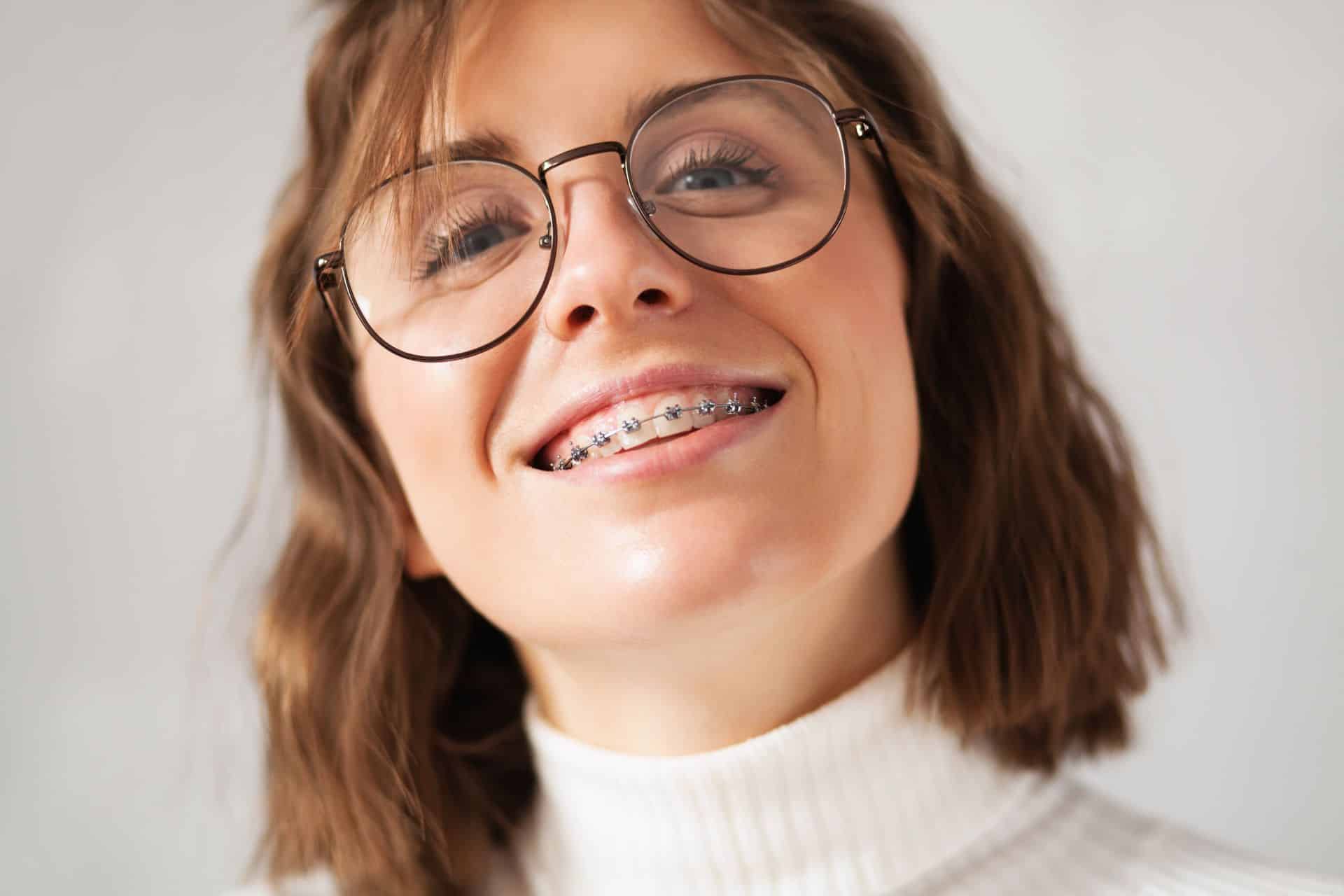
This blog explores the emotional side of orthodontics, including how crooked teeth, braces, or Invisalign can impact self-esteem, social confidence, and overall well-being, and how our compassionate care helps every patient feel supported through the process.
How Orthodontic Issues and Appearance Affect Teen Self Esteem?
Adolescence is a stage where self-image plays a major role in emotional health. Teens often compare themselves to peers, and having crooked teeth, gaps, or a misaligned bite can sometimes make them feel self-conscious.
Teens might:
- Avoid smiling or laughing freely
- Cover their mouths when speaking
- Feel anxious during social interactions or pictures
- Experience teasing that lowers self-esteem
At Waddoups Orthodontics, we’ve seen how even a small alignment concern can affect confidence at school, in photos, or when meeting new people.
How Starting Orthodontic Treatment Can Affect Emotions and Confidence?
It’s completely natural for teens to feel unsure or even shy when starting orthodontic treatment. New brackets, wires, or Invisalign trays can feel strange at first, and some may worry about how others will react. At Waddoups Orthodontics, our team helps normalize these feelings and provides a positive, welcoming space where every patient feels comfortable.
How does the emotional outlook change over time?
Most teens quickly adjust within a few weeks. Once they start noticing changes, such as their teeth shifting into alignment or their smile looking straighter, they often feel proud and motivated. For many, this boost in confidence leads to more smiling, better social interactions, and even improved posture or eye contact.
The emotional timeline of treatment
Phase | Typical Feelings | What Helps |
Getting Started | Nervousness, curiosity, mild self-consciousness | Encouragement from family and orthodontic staff |
First Few Weeks | Adjustment, mild discomfort | Supportive check-ins and reassurance |
Visible Progress | Excitement, pride | Positive feedback and milestone tracking |
Treatment Completion | Confidence, relief, accomplishment | Celebration of results and photos |
How Braces and Invisalign Can Affect Social Life and Peer Reactions?
Most teens are surprised by how quickly braces or Invisalign become normal. Modern options like clear braces and Invisalign are more discreet than ever, which helps ease social worries. Dr. Waddoups explains that what matters most is how a teen feels about their own progress. Once they start to see results, any early hesitation often turns into excitement.
Can braces actually boost social confidence?
Yes, in many cases they do. When teens feel proactive about improving their smile, they often carry that confidence into other areas of life such as school, sports, and friendships.
How Orthodontic Treatment Impacts Long Term Emotional Well Being and Its Benefits?
The end of orthodontic treatment often marks a major transformation, not only for the smile but also for self-image. A straight, healthy smile can lead to:
- Greater self-confidence
- More willingness to smile and engage with others
- Improved first impressions
- A stronger sense of pride and responsibility
How do parents notice the change?.
Parents often see their teen’s personality shine brighter over time. They notice more laughter, more confidence in photos, and an overall improvement in mood. This emotional shift is one of the most rewarding parts of orthodontic care.
How can parents help support emotional balance?
Parents play a big role in helping their teens feel positive about their treatment. Here’s how you can help:
- Offer encouragement and remind them that braces are temporary.
- Celebrate progress and remember that small wins keep motivation high.
- Avoid focusing on appearance and instead emphasize health and confidence.
- Keep regular appointments to ensure treatment stays on track.
A positive attitude from both home and the orthodontic office makes a world of difference.
How Does Dr. Waddoups Support Emotional Wellness During Treatment
Dr. Samuel Waddoups believes orthodontics is as much about building confidence as it is about creating a great smile. His team combines advanced technology with genuine care to ensure that every visit feels comfortable and encouraging.
What emotional support do patients receive?
- Clear communication about what to expect before each step
- A fun, relaxed office environment where teens feel welcome
- Positive reinforcement during every milestone
- Tools to manage mild soreness or discomfort
- Flexible treatment options, including Invisalign, to fit individual needs
Helping Teens Feel Confident Inside and Out
At Waddoups Orthodontics, orthodontic treatment is about more than straightening teeth. It’s about building confidence and lasting happiness. Dr. Samuel Waddoups and his compassionate team provide personalized care for every patient, helping teens feel supported and proud of their progress. If you’re ready to boost confidence with a healthy, beautiful smile, schedule your consultation today and see how orthodontics can make a lasting difference.
Quick FAQ Recap for Teen Emotional Wellness During Orthodontic Treatment
Do crooked teeth really affect a teen’s confidence?
Yes. Teens are highly sensitive to appearance, and misaligned teeth can make them feel self-conscious, avoid smiling, or feel anxious in social situations.
Is it normal for teens to feel nervous when they first get braces or Invisalign?
Completely. The first few days feel new and unfamiliar, but most teens adjust quickly and feel more confident as they begin to see progress.
Can orthodontic treatment improve social confidence?
Yes. Once teens notice their smile improving, they often feel more outgoing, comfortable, and self-assured in social settings.
Does finishing treatment create emotional benefits?
Absolutely. A straighter smile often boosts self-esteem, encourages more smiling, and helps teens feel proud of their accomplishment.