

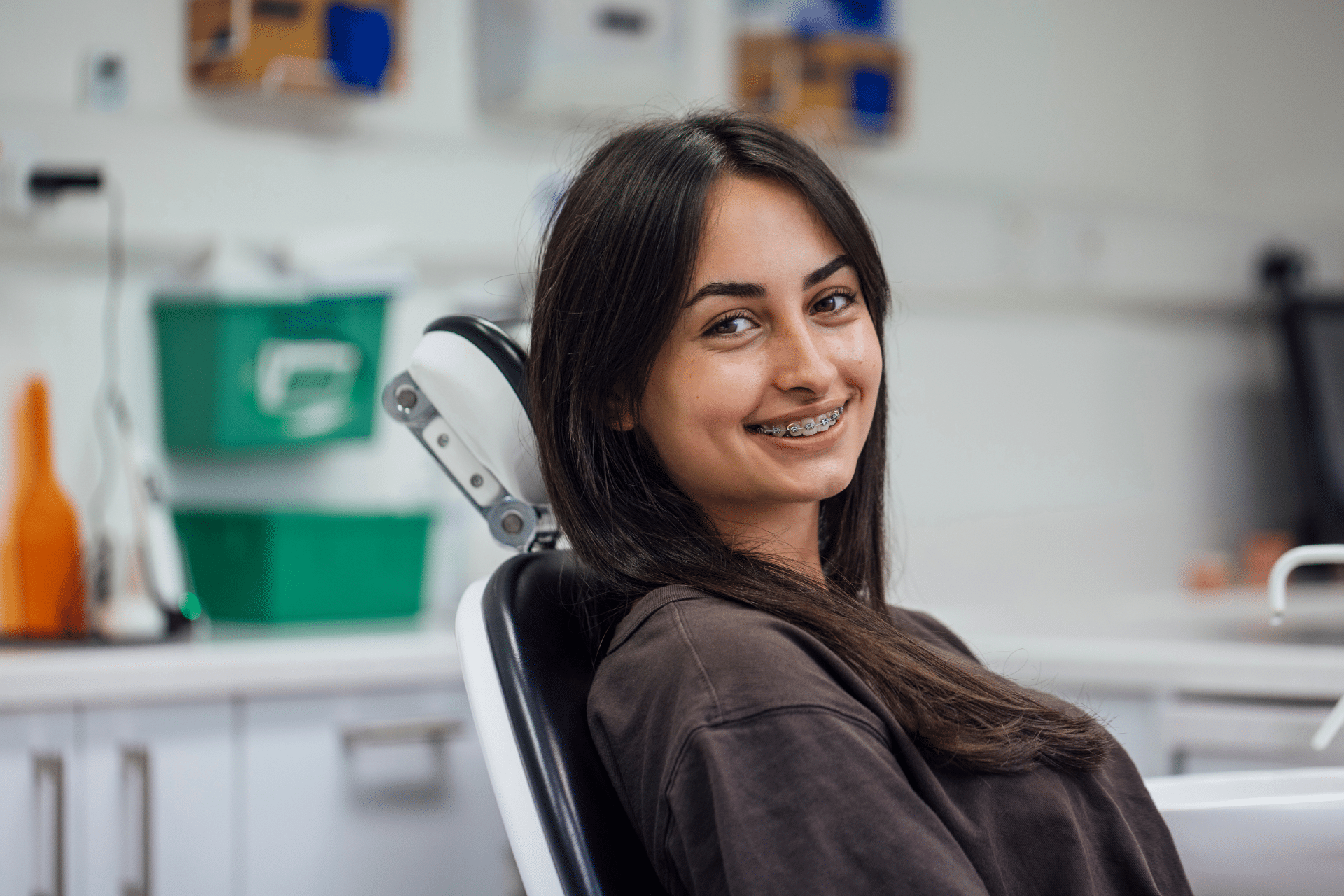
At Waddoups Orthodontics, Dr. Samuel Waddoups checks your teeth, spacing, and bite. He also considers whether the gap should be closed or saved for a future replacement. The goal is to improve the whole bite, not just the empty space.
Why Do Teeth Shift After Tooth Loss?
Teeth help hold one another in place. When a tooth is lost or never grows in, the teeth next to the gap can lean, turn, or drift toward it. The tooth above or below the gap can also move because it no longer has a tooth to meet when you bite.
Cleveland Clinic notes that tooth loss can allow the remaining teeth to shift. As the teeth move, the gap can become smaller or uneven, new spaces can form, and the bite may no longer fit as it once did. Tipped teeth can also create tight areas that are harder to brush and floss.
How much movement occurs varies from person to person. The location of the missing tooth, the time since it was lost, and the way your bite works all play a role.
How Soon Can Teeth Begin Shifting After Tooth Loss?
There is no set timeline for tooth movement after tooth loss. Some changes can start sooner, while others happen slowly over several years.
At first, the movement may be hard to notice. A gap may look a little smaller, or one tooth may begin to tilt. Over time, these small changes can lead to crowding, new spaces, or an uneven bite.
A gap that has been open for years does not mean braces are no longer an option. Teeth that moved long ago can often still be guided into better positions. An early exam can make treatment easier to plan by finding changes before they become more complex.
How Can Braces Correct Shifting and Manage the Gap?
Braces use brackets and wires to guide teeth into planned positions. If nearby teeth have moved into the open area, braces can help bring them back into better alignment. This can reduce tilting and improve the way the teeth meet.
In some cases, the teeth can be moved together to close the gap. This approach may reduce the need for a replacement tooth. However, the final tooth positions must still look natural and support a stable bite.
In other cases, the gap needs to stay open for an implant, bridge, or another type of replacement. Braces can make the space the right size before that work begins. They do not replace the missing tooth. Instead, they place the nearby teeth where they need to be.
The choice to close the gap or keep it open is based on the missing tooth, the size of the space, the bite, and your long-term dental plan.
Why Does the Bite Matter Before a Tooth Is Replaced?
A replacement tooth must fit the open space and work with the bite. If nearby teeth have tilted or the opposing tooth has moved, there may not be enough room. The new tooth may also take too much pressure during chewing.
Moving the teeth first can make later dental work easier to plan. Better alignment can help the replacement tooth fit more naturally and support comfortable biting and chewing.
Timing is important when a dental implant is planned. An implant cannot move like a natural tooth once it is placed. For this reason, any needed tooth movement is often completed before the implant is added.
Your orthodontist may also work with your general dentist or another dental provider. The orthodontist plans the tooth positions and bite. The other provider plans the implant, bridge, or other replacement.
Who Can Get Braces After Tooth Loss?
Teens and adults can often get braces if their teeth, gums, and bone are healthy enough for treatment. Having one or more missing teeth does not by itself rule out braces.
Some dental problems may need care first. These can include active gum disease, untreated decay, or an infection. Healthy gums and bone help support safe tooth movement.
The cause of the missing tooth also matters. Some people are born without certain permanent teeth. Others lose teeth because of an injury, decay, gum disease, or an extraction. A space that has changed for years may need more correction than a new gap.
Traditional braces can give the orthodontist close control when teeth need to be turned or moved over a longer distance. Invisalign clear aligners can also work in some cases. The better option depends on the amount and type of movement needed.
An orthodontic exam can show how the teeth have moved and how much space is available. It can also help determine whether the gap should be closed or prepared for a replacement.
What Should You Do About Shifting Teeth in Murrieta, CA?
An orthodontic exam can show whether a missing-tooth gap should be closed, kept open, or prepared for a future replacement. Your oral health, bite, tooth movement, and dental goals will guide the plan.
At Waddoups Orthodontics, Dr. Waddoups can review your teeth and explain whether braces or Invisalign may be a good fit for your needs.
Contact the Murrieta office to schedule an consultation and learn which steps can help support a healthier, more stable smile.